Headlines
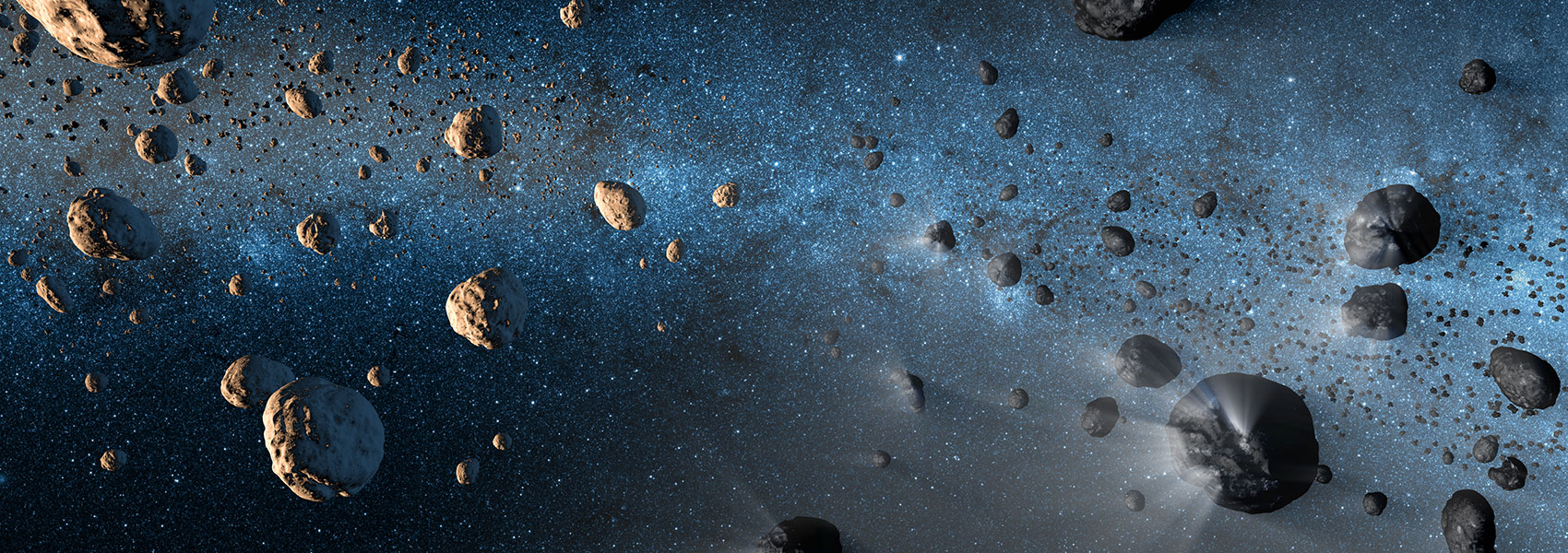
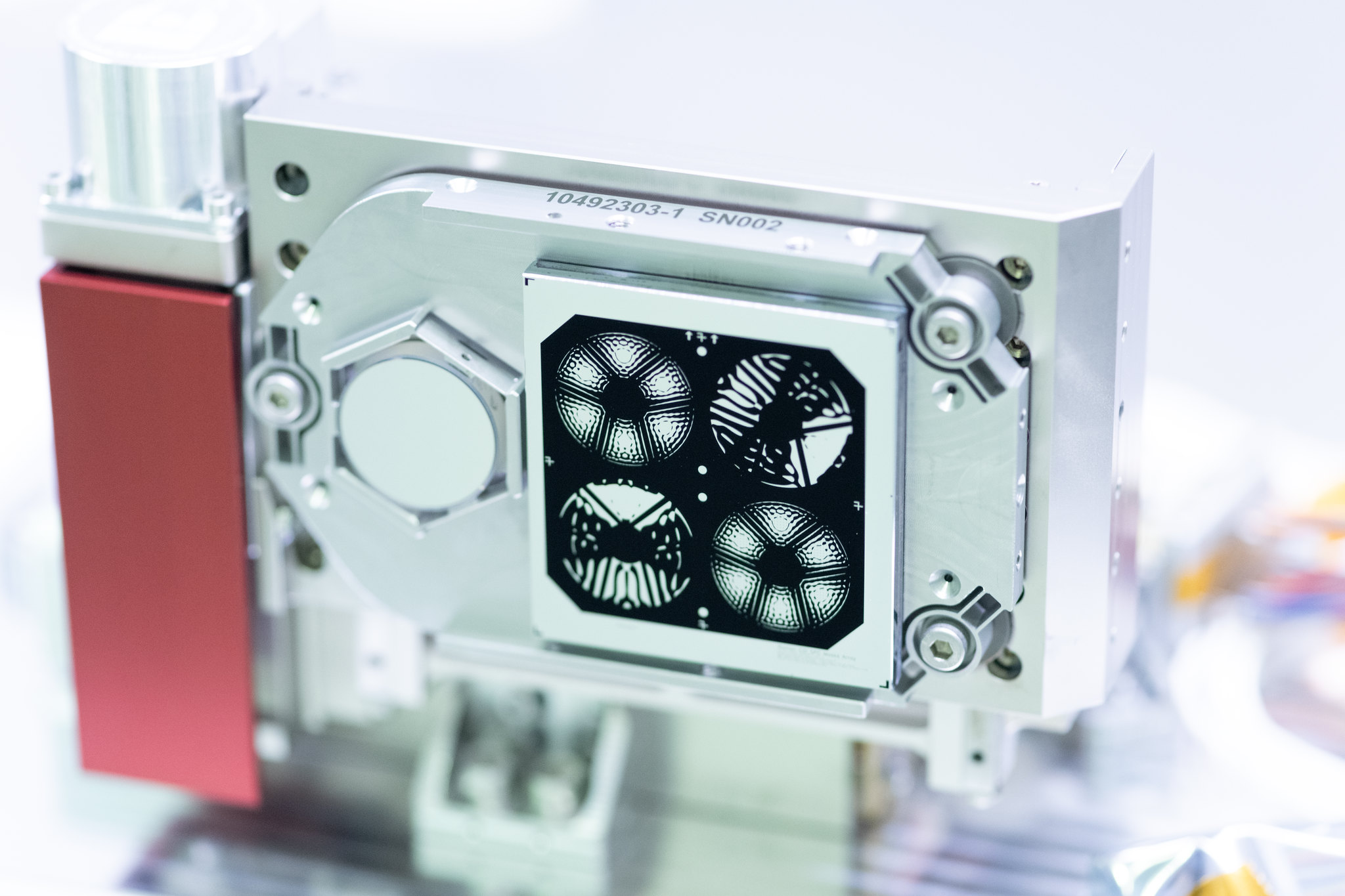
An infrared sensor that could improve NASA's future detecting and tracking of asteroids and comets has passed a critical design test.
Bulletins
On August 8, 2011 IPAC astronomer Bill Latter will live a dream by attempting a grand journey and a great challenge - both physically and mentally. Bill will be traveling the Badwater 135 Ultramarathon course on foot. This is a trek from Badwater Basin in Death Valley to the Mt. Whitney Portals above Owens Valley – a distance of 135 miles with extreme heat and 13,000 feet of ascent.
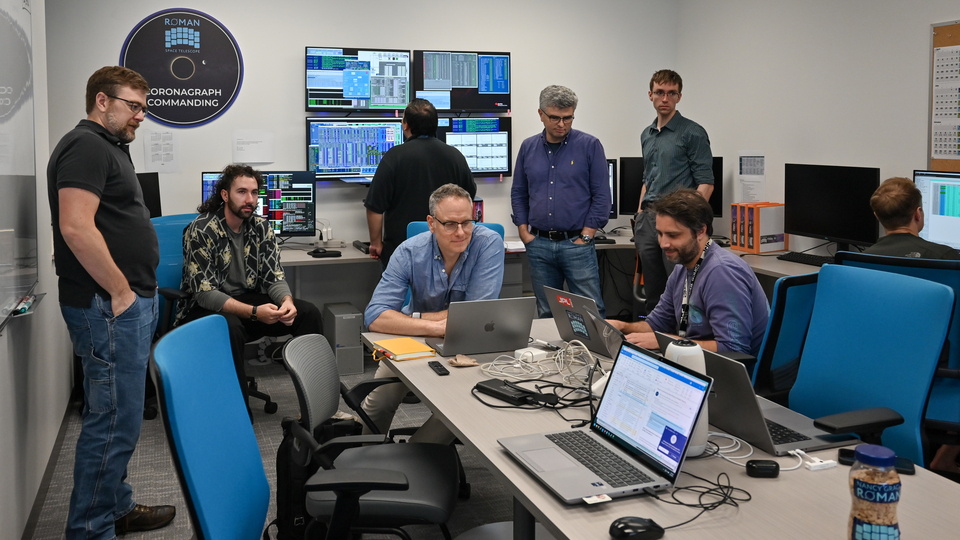
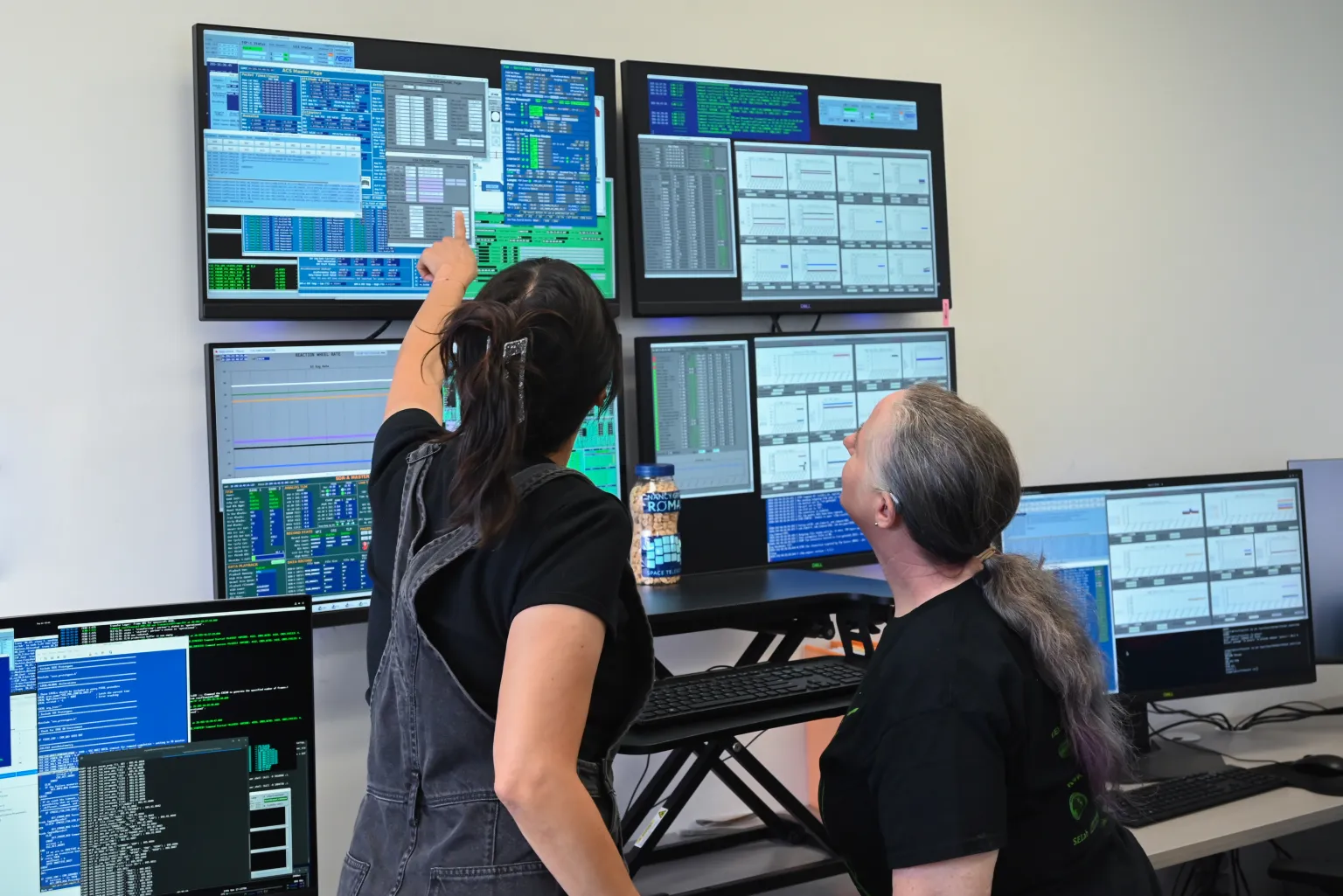
Sometimes astronomers take trips out to ground-based observatories. They sleep during the day, and, instead of peering up at the night sky, they command the telescopes from computer screens. Some telescopes can also be operated remotely from laptops. JPL scientists Amy Mainzer and Mike Cushing recently spent an evening with the stars in a conference room at NASA's Infrared Processing and Analysis Center at the California Institute of Technology in Pasadena.
The summer of 1965 was one of dramatic firsts—Medicaid and Medicare were established, the Beatles played the first stadium concert in rock history, and U.S. astronaut Edward Higgins White made his maiden space walk.
The Wide-Field Infrared Explorer (WIRE) satellite reentered Earth's atmosphere at about 11:50 p.m. Pacific Time, May 9, 2011, more than 12 years and 68,000 orbits after launch.
Twenty five years ago moving vans were being loaded at the Union Bank, on South Lake Avenue in Pasadena, for the first delivery of "stuff" to the new IPAC Building (Morrisroe Astroscience Laboratory).
Real space science and insights into teaching astronomy come straight from the classroom to a renowned international conference this week. Nearly 60 teachers, students and astronomy educators will be on hand to present the fruits of their year-long labor as participants in NITARP, the NASA/IPAC Teacher Archive Research Program, at the winter meeting of the American Astronomical Society in Seattle, Wash. from Jan. 9 through Jan. 13, 2011.